The best pointe shoes are the ones that properly support your individual foot structure, strength, and technique level. Because every dancer’s feet are different, the ideal pointe shoe depends on factors such as foot shape, arch flexibility, toe length, and training experience. Professional ballet fitters evaluate several factors when recommending pointe shoes, including box shape, vamp height, shank strength, and crown height.
This 2026 guide to the best pointe shoes explains how pointe shoes work and how dancers can find the best model for their foot shape, strength, and training level.

What Makes the Best Pointe Shoes?
Factors That Determine the Best Pointe Shoes For Your Feet
Foot shape
Toe length
Arch flexibility
Strength and training level
Proper professional fitting
Box Shape
The box surrounds and supports the toes.
Common shapes include:
• Tapered boxes – best for dancers with longer big toes or tapered toe shapes often with compressible feet
• Square boxes – best for dancers with even toe lengths
• Slightly tapered boxes – versatile for many foot shapes as most feet slightly taper when en pointe
A properly fitted box distributes weight evenly across the toes and prevents excessive pressure.
→ Learn More about foot shapes
Vamp Height
The vamp is the front upper portion of the shoe.
Vamp height affects how securely the shoe holds the foot when en pointe.
Typical options include:
• Lower vamps – allow easier roll-through for shorter toes or less flexible feet
• Standard vamps – balanced support and flexibility
• Higher vamps – longer support in the front and sides to cover longer toes and prevent overextension in really flexible/bendy feet
→ Learn more about Vamp Heights
Crown Height
The crown refers to the height of the box.
• Low crown shoes hug flatter low profile feet and prevent excess space
• Higher crown shoes accommodate fuller metatarsals and allow the dancer to go further over the platform
→ Learn more about Crown Heights
Shank Strength
The shank supports the arch.
R-Class strengths include:
• Super Soft
• Soft
• Medium
• Hard
• Super Hard
Dancers with strong arches may need stronger shanks for support, while developing dancers may benefit from more flexible options.
→ Learn more about shanks
What Each Part of the Pointe Shoe Does
| Pointe Shoe Part |
|
|---|---|
Box shape | Supports toe alignment |
Vamp height | Controls toe coverage |
Shank strength | Supports arch |
Crown height | Fits foot profile |
Platform | Stability en pointe |
Signs a Pointe Shoe Fits Correctly
1. The shoe supports the arch without forcing it
A correct pointe shoe should work with the dancer’s natural arch, not artificially push it. The shank (the stiff sole inside the shoe) supports the arch so the dancer can rise safely onto pointe.
What this should look like:
✔ The arch feels supported when rising
✔ The dancer can roll smoothly through demi-pointe
✔ The shoe bends where the foot naturally bends
Warning signs of poor fit:
❌ The shoe forces the foot into an exaggerated arch
❌ The dancer feels “pushed over the box”
❌ The shoe breaks in the wrong place (optimal break is typically at the 3/4 mark)
2. The dancer can stand fully on the platform
The platform is the flat tip of the toe box where the dancer balances.
When the fit is correct:
✔ The dancer is centered directly over the platform
✔ Weight is evenly distributed across the toes
✔ Balance feels stable
When the fit is wrong:
❌ The dancer tips forward or backward
❌ Unable to find the center on the platform to balance
❌ The dancer cannot get fully “on top” of the box
This is one of the most important checks during a fitting.
3. The toes are supported but not crushed
Inside the box, all five toes should lie flat and share the weight.
Good fit:
✔ Toes are straight and supported when on flat and in plie
✔ Pressure is distributed across multiple toes
✔ The dancer feels stable in relevé
Bad fit:
❌ Big toe taking all the weight
❌ Toes curling or knuckling
❌ Severe compression or numbness
Too much compression can lead to problems like bruised nails or joint irritation.
4. The foot does not sink into the box
“Sinking” happens when the box shape or width is wrong.
If the shoe is too wide or the box has too much volume, the foot slides forward and the dancer drops deeper into the box instead of standing on top of it.
Correct fit:
✔ The dancer stays lifted on the platform
✔ The box holds the metatarsals securely
✔ Alignment stays vertical
Incorrect fit:
❌ The dancer slides forward
❌ Weight shifts heavily to the big toe
❌ Balance feels unstable
Fitters check this by watching alignment when the dancer rises en pointe.
Why This Matters
Pointe shoes are extremely specialized because the dancer’s entire body weight is supported on the tips of the toes when en pointe.
A poor fit can cause:
toe injuries
joint strain
instability
poor technique development
That’s why professional fittings are strongly recommended.
Best Pointe Shoes for Different Foot Types
The best pointe shoes vary depending on foot structure and strength. Some of the hardest to fit feet are very tapered, very full, and very hyper-mobile.
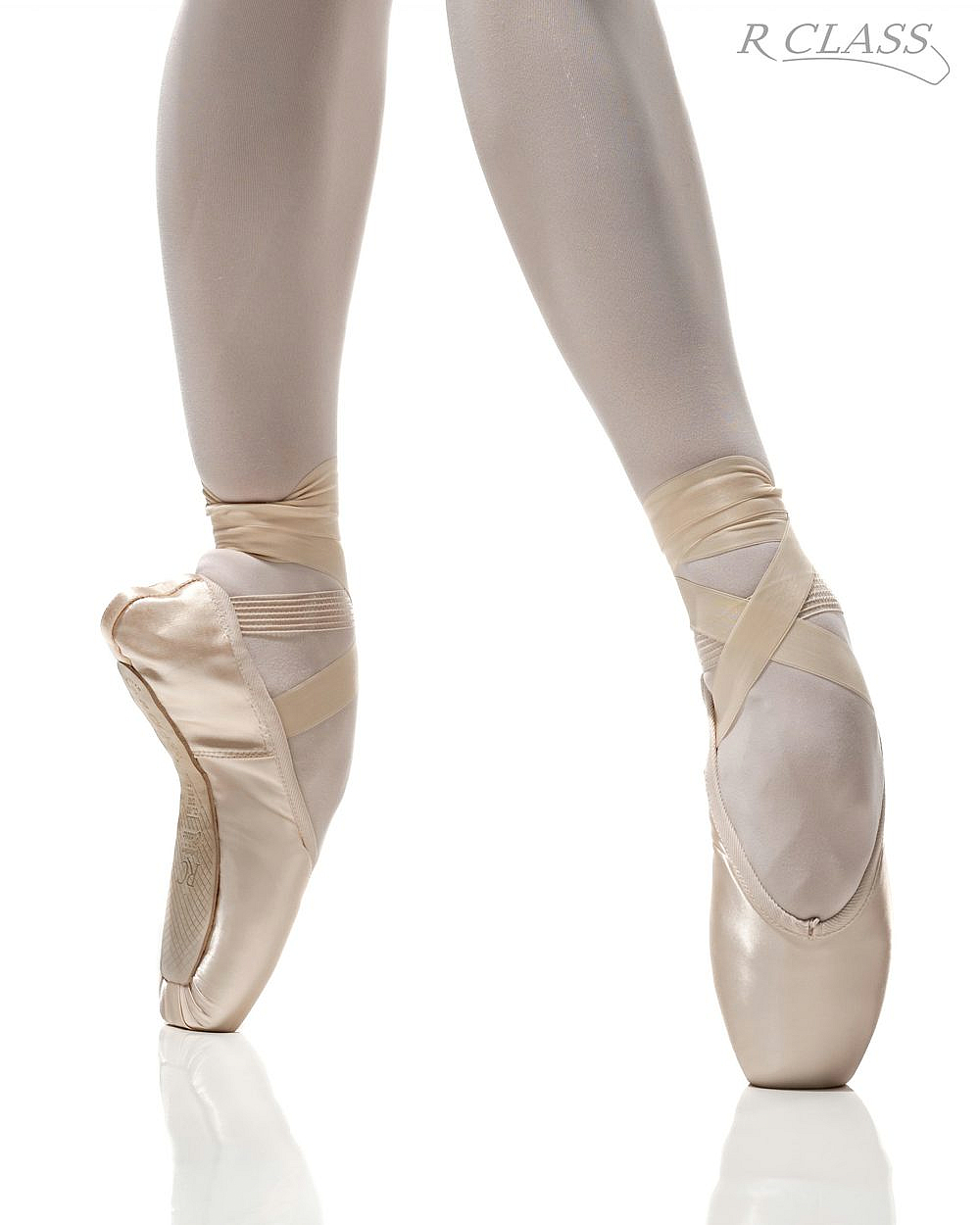
Best Pointe Shoes for Tapered Toes and Compressible Feet
Dancers with tapered toes often benefit from pointe shoes with tapered boxes and supportive wings.
These designs help maintain alignment and reduce pressure on the big toe.
Many dancers transitioning from brands like Russian Pointe prefer similar box shapes.
R-Class options for tapered toes: Pristine RC10, Brillante RC20, Toccata CL80
Best Pointe Shoes for High Arches and Flexible Feet
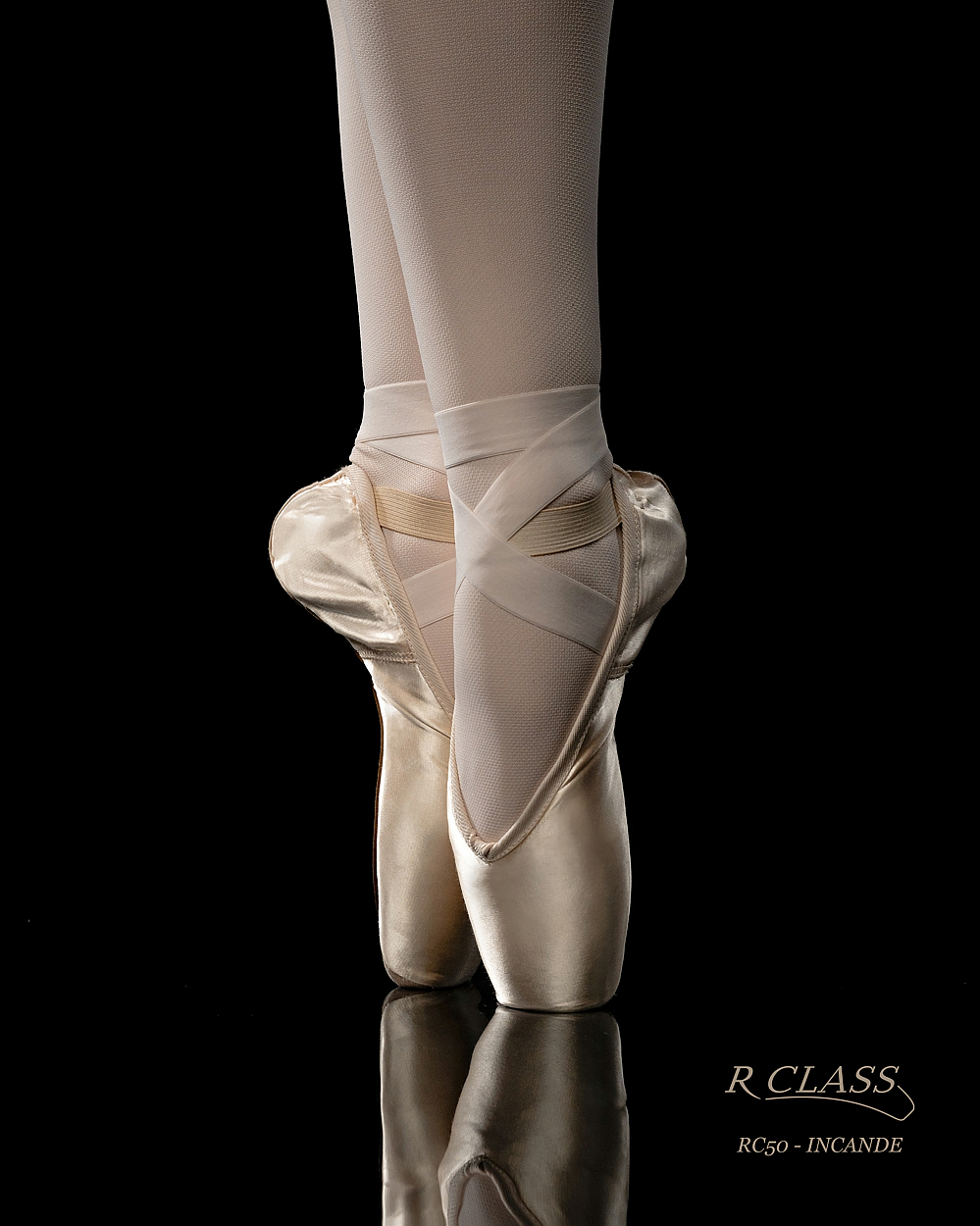
High arches often require:
• supportive shanks
• stable platforms
• secure and long wings
• Shallower crown heights to not allow to go too far over the platform
R-Class options for hyper-mobile feet: Incande RC50 as well as other shapes of the RC Signature Collection.
→ Learn more about hypermobile feet
Best Pointe Shoes for Fuller Wide Feet
Dancers with fuller feet or broader metatarsals may benefit from:
• wider platforms
• higher crowns
• softer wings
These designs allow the shoe to accommodate volume while maintaining stability.
R-Class options for full feet: Enchante RC90, Legata CL90, Oreila AD99 (coming soon)

You can see how in the CL90 the same dancer is pitched further over the platform and the RC90 she is lifted higher in the shoe
Best Pointe Shoe Brands
Many professional dancers choose between several established pointe shoe brands.
Popular brands include:
Brand | Known For |
|---|---|
R-Class | precision handcrafted Russian construction |
Nikolay / Grishko | traditional Russian paste construction |
Bloch | wide beginner availability |
Suffolk | English-made options |
Gaynor Minden | polymer shoe technology |
Many dancers exploring the best pointe shoes also research Russian Pointe alternatives as brands and models evolve.
Each brand offers unique construction methods and design philosophies. Some dancers prefer traditional handcrafted pointe shoes while others prefer modern or synthetic construction. Hybrid versions with combined synthetic and natural material such as R-Class Adaptiv Collection combine increased longevity with greater articulation.
Why Professional Pointe Shoe Fitting Matters
Even the best pointe shoes will not work properly without correct fitting.
A professional pointe shoe fitter evaluates:
• foot shape
• toe length
• arch flexibility
• ankle strength
• training level
This ensures the dancer receives the correct model, width, and shank strength.
Poorly fitted pointe shoes can cause discomfort, instability, and even injury.
Finding Your Best Pointe Shoes
Because every dancer’s feet are different, professional guidance is the best way to determine the right shoe.
Proper fitting ensures dancers receive the support and performance they need to progress safely in their training.
With expert guidance and careful fitting, dancers can find pointe shoes that support their artistry, strength, and long-term foot health
Options for finding the perfect fit with R-Class
FAQ: Best Pointe Shoes
What are the best pointe shoes?
The best pointe shoes are the ones that properly support a dancer’s individual foot shape, strength, and technique. Because every dancer’s feet are different, the best pointe shoe varies depending on factors such as box shape, vamp height, shank strength, and overall fit..
Are handmade pointe shoes better?
Handmade pointe shoes offer greater customization and precision, allowing better fit and performance.
How often should pointe shoes be replaced?
Pointe shoes wear down based on usage, foot strength, and training intensity. Professional dancers may replace shoes more frequently than students.
Can beginners wear professional pointe shoes?
Yes. Beginning pointe dancers that have been approved to start pointe training from a teacher benefit from professionally fitted pointe shoes that provide proper support and alignment.
What are the best pointe shoes for beginners?
The best pointe shoes for beginners are the ones that properly fit the dancer’s foot shape, strength, and training level. There is no single brand or model that works for every dancer starting pointe.
Beginner pointe shoes are typically selected to provide support and stability while the dancer builds strength. A professional pointe shoe fitter will consider factors such as box shape, vamp height, shank strength, and foot structure when recommending the right shoe.
Because every dancer’s feet are unique, beginners should always be fit in person or through a professional virtual fitting rather than choosing a shoe based only on brand or popularity..
How long do pointe shoes last?
Pointe shoes can last anywhere from a few hours of dancing to several weeks, depending on the dancer’s strength, training schedule, and the construction of the shoe. Traditionally pasted pointe shoes are often listed as 12-20 hours of wear.
Professional dancers who rehearse and perform daily may go through multiple pairs in a week, while students who dance a few times per week may wear the same pair longer. Sweat, foot strength, floor conditions, and the materials used in the shoe can all affect how quickly pointe shoes break down.
Some dancers also rotate between multiple pairs to allow the shoes to dry between classes, which can help extend their lifespan..About the Author
Jennifer Fitzpatrick is a professional ballet educator, pointe shoe fitter, dancer, and photographer. She is a former VP of Capezio and professional ballet teacher. She works with dancers across the United States through R-Class America and Artistry Reimagined, helping students and professionals find the right pointe shoes for their individual feet.